
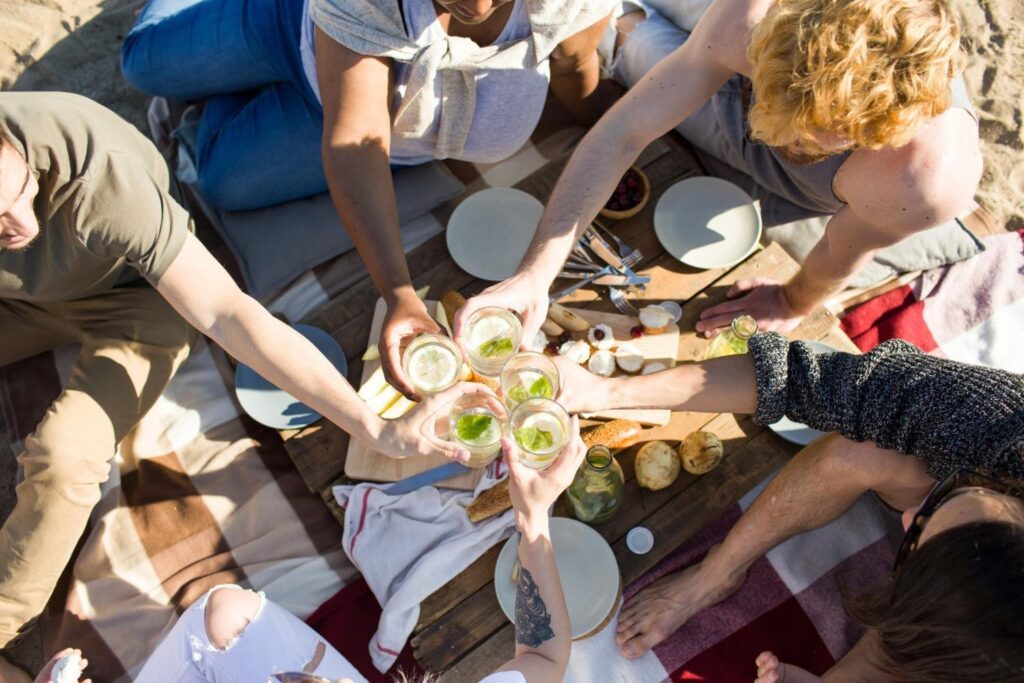
Social gatherings are evolving. Where parties once revolved almost entirely around food, drinks, and music, today’s events increasingly reflect a broader lifestyle shift toward wellness. Hosts and guests alike are becoming more mindful about how they feel during and after social experiences. The result is a new wave of wellness-focused social events that prioritize balance, mental clarity, and meaningful connection alongside fun.
This doesn’t mean parties have become quiet or clinical. On the contrary, many are more creative and engaging than ever. The difference is intention. From curated menus to calm spaces and informed conversations about wellness products, modern events are designed to support both enjoyment and well-being.
A Cultural Shift Toward Mindful Socializing
One of the biggest drivers behind wellness-focused events is a generational change in how people view health. Younger professionals, in particular, often seek balance rather than extremes. They still enjoy socializing, but they are less interested in overindulgence that leads to next-day fatigue or brain fog.
As a result, hosts are rethinking what it means to throw a great gathering. Instead of focusing only on spectacle, many now consider guest comfort, atmosphere, and the overall experience. Lighting, seating, sound levels, and even scent are curated to create a welcoming environment rather than sensory overload.
This shift mirrors broader wellness trends in daily life, from meditation apps to functional nutrition. Social spaces are simply catching up.
Rethinking Food and Drink
Food and beverage choices are often the first place this wellness mindset appears. Balanced menus with fresh, nutrient-dense options are replacing heavy, processed party foods. Alcohol-free cocktails, botanical drinks, and low-sugar beverages are increasingly popular.
Importantly, offering healthier options doesn’t remove indulgence, it expands choice. Guests can still enjoy treats, but they’re not limited to them. A well-designed menu now considers how people want to feel during the event, not just what tastes good in the moment.
Many hosts find that guests appreciate this thoughtfulness. When people leave feeling energized rather than drained, the event becomes more memorable for the right reasons.
The Rise of Calm Corners and Quiet Spaces
Another hallmark of wellness-focused gatherings is the inclusion of calm areas. Not every guest wants to be in the loudest part of the room all night. Providing a quieter lounge, outdoor seating, or a low-stimulation corner allows people to recharge socially.
These spaces often encourage deeper conversations. In a world where social interactions can feel rushed or surface-level, creating room for genuine connection is increasingly valued.
Thoughtful hosts understand that good events don’t force a single mood. They offer a range of experiences within one setting.
Cannabis Curiosity and Informed Conversations
As cannabis laws and attitudes continue to evolve in many regions, some social events now include open, educational conversations about hemp-derived products. The key word here is informed. Responsible hosts prioritize knowledge and legality rather than novelty.
Guests who are curious often want to understand sourcing and production. Educational resources like how is delta 9 extracted from hemp can help demystify the topic by explaining how hemp-derived compounds are produced and regulated. When discussed responsibly, this kind of information supports safer, more transparent conversations rather than guesswork.
Importantly, not every wellness-focused event includes cannabis elements, and when they do, moderation and legality always come first. The broader trend is about awareness and choice, not pressure.
Supporting Mood and Mental Clarity
Wellness-centered socializing also recognizes that mental state plays a role in how people experience gatherings. Feeling calm, focused, and socially at ease can shape whether an event feels draining or enjoyable.
This is where conversations around cognitive wellness sometimes enter the picture. Some guests and hosts explore the science behind ingredients associated with focus and relaxation. For example, discussions comparing compounds like L-theanine and L-tyrosine have gained attention in productivity and wellness circles. Resources from companies like Tabs that explain these differences help people make informed decisions about what supports their individual needs.
Again, the emphasis is on education and personal choice rather than promotion. Wellness-minded guests tend to appreciate transparency and credible information.
Designing Experiences, Not Just Events
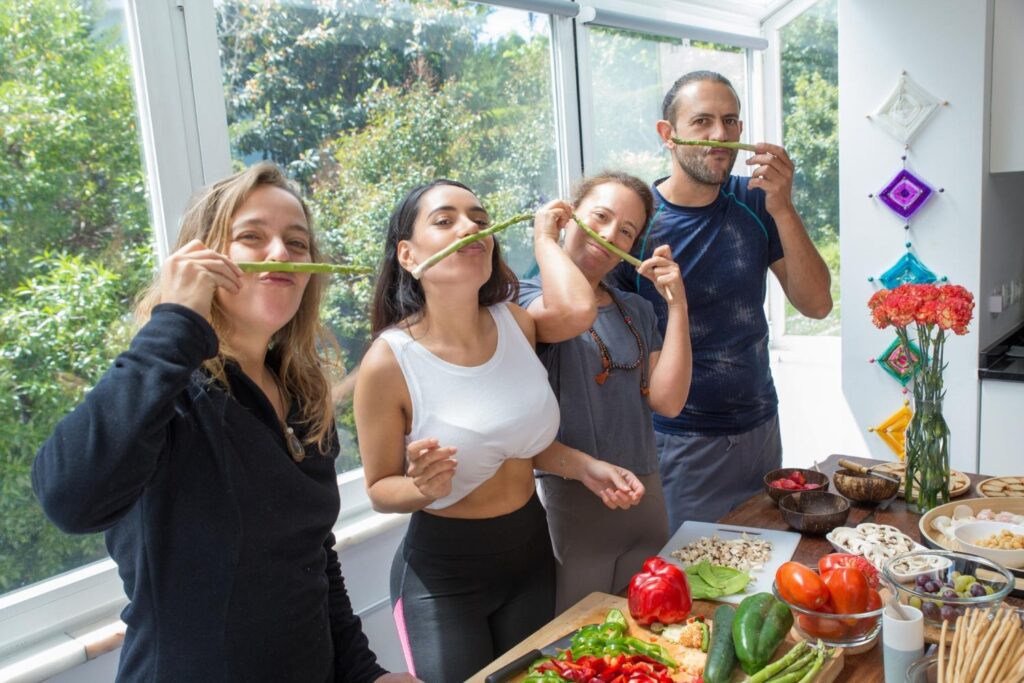
At the heart of this trend is a shift from event planning to experience design. Hosts think about flow, energy, and emotional tone. They consider how guests arrive, how they interact, and how they leave feeling.
Simple touches can make a difference. Natural lighting, greenery, comfortable seating, and thoughtfully paced schedules create a more human-centered atmosphere. Interactive elements like guided tastings, creative workshops, or live acoustic music often replace high-volume entertainment.
These choices don’t make events less fun, they often make them more engaging because guests feel considered rather than overwhelmed.
Why This Trend Is Growing
Several factors explain why wellness-focused social events are gaining popularity:
- People are more health-aware than in the past.
- Work and digital life can be mentally exhausting.
- Guests value meaningful connection over excess.
- Hosts want events that feel distinctive and memorable.
Together, these factors create demand for gatherings that support well-being alongside celebration.
There is also a practical benefit. Guests who feel good during and after events are more likely to attend future ones. Positive experiences build stronger social circles and communities.
A More Inclusive Approach to Hosting
Wellness-focused events can also be more inclusive. Not everyone drinks alcohol. Not everyone enjoys loud environments. Not everyone wants late nights. Offering varied options allows more people to participate comfortably.
This inclusivity often leads to richer guest lists and more dynamic interactions. When people feel comfortable being themselves, social energy improves naturally.
The Future of Social Gatherings
Wellness-focused socializing is not a passing trend; it reflects a broader cultural recalibration. People still love to celebrate, but they increasingly want to do so in ways that align with how they live the rest of their lives.
The future of events may not be quieter or smaller, but it will likely be more intentional. Hosts will continue blending enjoyment with well-being, and guests will continue valuing experiences that feel both uplifting and sustainable.
In the end, the best gatherings are those where people leave feeling better than when they arrived. Wellness-focused events aim to do exactly that, creating spaces where connection, enjoyment, and mindful choices coexist.
And as more hosts embrace this approach, social life doesn’t become less exciting. It simply becomes more thoughtful, balanced, and human.