
Did you ever open a book and feel like you were transported to a completely different world? This is the magic that readers strive for and the reason why they love reading books. But for authors, however, the challenge of inviting readers into that world before they even turn the first page is real.
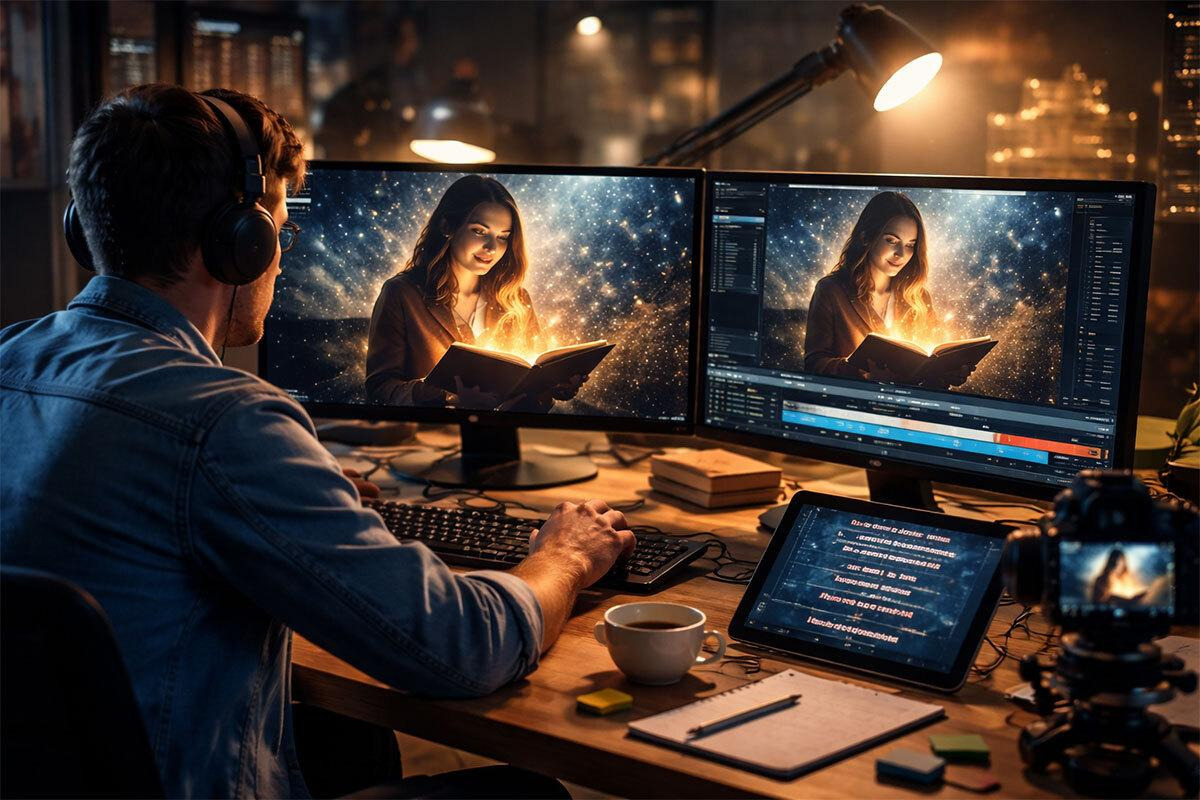
In 2026, the answer is not just a blurb on the back cover. It is the book trailer. You have definitely seen those short, cinematic teasers that take over your feeds before the release of a movie or even a song. Book trailers are exactly that, but for books, so that you get a sneak peek into what the story is about and dream of being transported to a different world even before the books hit the shelves or your Kindle.
The future of these trailers isn’t just about better graphics but about reaching a reader in Lisbon, Tokyo, or Mexico City just as easily as one in London. This is where the tech of a translate video stops being a luxury and starts being the bridge that turns a local story into a global sensation.
Why the Visual First Reader is Changing the Game
Let’s face it. The world’s attention span is not like it was in the past. We scroll through too much content, and if we do not find something interesting in three seconds or less, we are simply not interested. This has caused publishers to recognize the ability a quality video can have in demonstrating increased visibility to internet consumers, by as much as 92%. It is, in effect, a longer book cover with an emotional appeal where the music, the images, and the narrator create the mood.
But that’s where the catch lies. Even if a person has spent months refining a trailer in English, they are effectively alienating 60% of the total potential audience who might instead prefer the native language.
Breaking the Language Barrier Without the Drama

Previously, localizing a video would require hiring new voice actors, booking studios, and spending an absolute fortune for every single language. It was such a headache that most indie authors, let alone medium-sized publishers, couldn’t justify.
But now, tools such as a video translator have turned the tables. Rather than crafting the thing from scratch, you can take your original trailer in and automatically generate natural-sounding voiceovers and subtitles in dozens of languages. It’s not just about the words; it’s about the vibe. When a reader in Brazil hears a thriller teaser in Portuguese with the right suspenseful tone, the connection is instant. It feels personal. It feels like this book was written for them.
The Secret Sauce: Tone and Emotion
If you’ve ever tried using clunky AI, then you know a robotic voice can kill the mood of a gothic romance or high-stakes mystery faster than a bad ending can. The reason modern translators are becoming the standard in today’s world is because of their ability to handle nuance. This is what advanced tools offer:
- Custom Pronunciation: Making sure the unique names of your fantasy world or the hometown of your protagonist are not butchered.
- Emotional Sync: State-of-the-art AI can actually mirror the heart of the original performance, keeping the urgency in a thriller or the softness in a memoir.
- Speed to Market: On TikTok or YouTube Shorts, you can run a worldwide campaign in five languages on the same day.
Turning Views into Pre-orders
While we talk about book trailers as art, we cannot forget their useful marketing role. Statistics reveal a figure of 64% likelihood of buyers purchasing a book after watching the trailer. The buy button would certainly look more attractive to an international reader if the language barrier were eliminated.
Think about it. If you see a stunning visual for a sci-fi epic, but you can’t quite catch the narration because it’s not in your first language, you might admire the art but skip the purchase. But when that trailer speaks directly to you, the distance between curious viewer and dedicated reader disappears.
Conclusion: A New Era for Global Storytelling
We’re moving beyond a concept in which you can point to a single country that a book belongs to. The digital shelves of 2026 are a borderless place. With a video translator, writers aren’t shouting into a void anymore but are engaging in conversation in all corners of the globe.
It’s an exciting time to be a creator. You can focus on the storytelling, and let technology take care of the how. And shouldn’t every great story have the opportunity to be heard by everyone?
Have you ever discovered a new favorite author through a video trailer? We’d love to hear which one hooked you!