

The business topography offers many avenues for aspiring entrepreneurs. Among these, franchising and real estate stand out as two popular choices.
Choosing the right path can significantly influence both your growth potential and financial stability. This article examines both options, focusing on their growth potential, financial implications, and lifestyle impact to help you make an informed decision.
Understanding Franchising Growth Opportunities
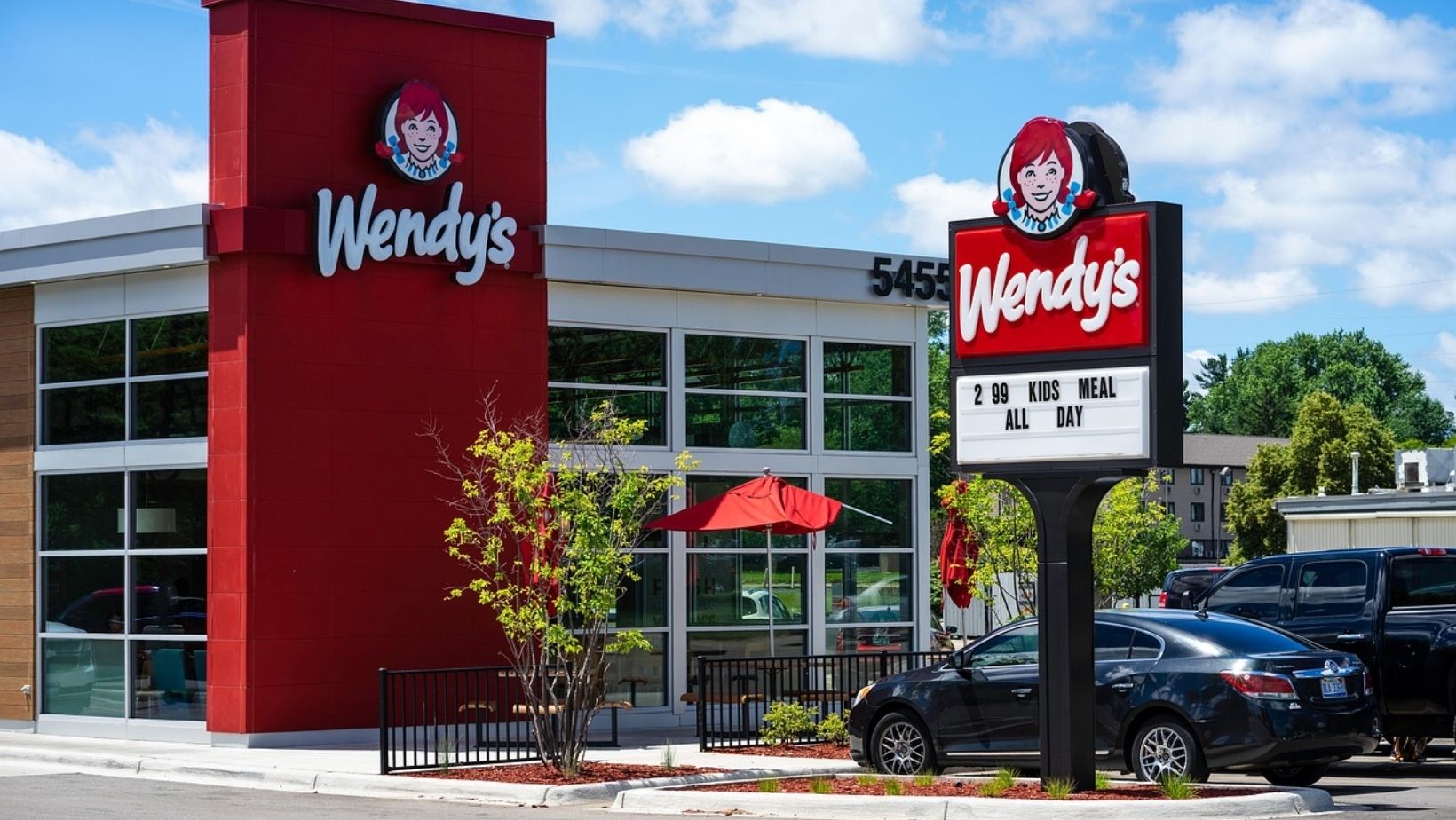
Franchising offers a unique model that allows individuals to utilize established brands and business systems.
As the franchising industry expands, the opportunity for growth remains substantial. The ongoing demand for franchised businesses continues to rise in the food, retail, and service sectors.
According to the International Franchise Association, the franchise industry contributes over $674 billion to the U.S. economy. Investing in a franchise provides the support of a recognized brand and offers comprehensive training and resources.
This advantage often leads to quicker profitability compared to a start-up business. The team behind franchise.com says that franchise businesses experience a success rate significantly higher than independent ventures, with many franchises turning profits within their first year of operation. Equally important, franchisers typically provide marketing support, which boosts visibility and potential customer reach.
Franchisees can focus on running their business, and the franchise brand handles most of the marketing demands, allowing for a streamlined approach to growth.
Specific trends show that demand for franchises in certain sectors, such as health and wellness, is on the rise. This increasing interest creates abundant opportunities for franchisees willing to adapt and innovate, guaranteeing that growth potential remains robust.
A Stable Avenue for Growth
Investing in real estate has long been regarded as a stable and lucrative opportunity. The prospects for growth in real estate investments depend on various factors, including location, market trends, and property management skills.
Real estate generates income through rental revenues and property appreciation, both of which can significantly contribute to wealth accumulation. One of the appealing aspects of real estate investment is its tangible nature.
Investors can see and touch their assets, giving them a sense of control over their financial future. Real estate investments can diversify a portfolio, reducing risk associated with other investment forms such as stocks or bonds.
In high-demand markets, properties often appreciate at a rate, sometimes hitting double-digit annual growth percentages. Depending on location, owning rental properties can provide a consistent cash flow stream, making real estate a relatively reliable investment option.
Comparing Financial Commitment in Both Paths
Franchising often requires a substantial initial investment, which can range from a few thousand to several million dollars, depending on the franchise type and brand. These fees usually cover franchise rights, initial inventory, supplies, and training.
As ongoing royalty fees are a deliberation, the business model is often designed to guarantee profitability, balancing out these costs.
Real estate investments necessitate significant upfront capital for down payments and home inspections. Investors should account for ongoing costs such as property management, maintenance, property taxes, and insurance.
As you engage in property investments that can yield high returns, the initial financial commitment can be daunting.
With effective management and strategic property acquisition, real estate investments can provide stable returns. With proper franchise execution, franchisees often see a more accelerated path to profitability.
Each entrepreneur should weigh their capacity and willingness to commit financially against the expected returns of each option before making a decision.
Deliberation for Franchise Owners vs. Real Estate Investors
Entering the franchising world often entails demanding hours, particularly in the early stages.
Franchise owners actively manage day-to-day operations, staff, and customer interactions, which can lead to long hours initially but allows for more freedom as the business operates smoothly.
As the franchise grows, owners may be able to delegate duties, affording more time for personal endeavors. In contrast, real estate investors might find a different lifestyle altogether.
Once properties are acquired, they may not require as much daily oversight compared to a franchise.
Depending on the investment strategy, becoming a landlord can result in a more flexible schedule or consistent remote work, bolstering potential work-life balance.
Property management often requires timely decision-making when it comes to maintenance issues. This aspect might demand immediate attention, leading to interruptions in personal time.
The Appeal of Community and Networking
Networking plays a role in both franchising and real estate. In franchising, joining a franchise means becoming part of a larger community of franchise owners.
Brand events, training sessions, and corporate support often facilitate relationships that can prove beneficial for sharing strategies, challenges, and successes. These interactions often lead to collaborations and improvements among franchisees that benefit the brand as a whole.
Real estate investors may thrive within a community environment. Networking opportunities abound in local investor groups, real estate associations, and online communities.
Many investors attend seminars and workshops to share insights and learn from each other’s experiences.
Long-Term Potential, Evaluating Future Trends
Both franchising and real estate exhibit strong potential for long-term growth based on emerging trends. Franchising is evolving with technology, primarily driven by online deliveries and mobile applications.
Brands adapting to serve consumers’ changing preferences will thrive. Alongside this, industries related to health, sustainability, and technology are becoming increasingly important, creating additional opportunities for innovative franchises.
Real estate exhibits long-term resilience amid economic shifts. The ongoing necessity for housing guarantees demand stays strong, and urbanization trends elevate property values in metropolitan areas.
As remote work becomes the norm, many are re-evaluating their living arrangements. Properties that accommodate work-from-home setups provide unique investment opportunities in adapting markets.
Both franchising and real estate offer substantial long-term potential, changing with consumer behaviors, economic trends, and technological advancements.
To optimize success, entrepreneurs must stay informed and willing to adapt, guaranteeing continued growth regardless of the chosen path.