

We’ve all seen it: a child’s eyes glaze over the moment you mention “inflation,” “civic duty,” or “economic cycles.” These concepts feel heavy, even for adults. But swap the lecture for a story about a girl starting a lemonade stand or a village trying to solve a mystery, and suddenly, they’re all ears.
Why does this happen? It’s because the human brain is hardwired for narrative. For thousands of years, before textbooks or YouTube, stories were how we passed down survival skills and moral codes. When we tell a story, we aren’t just sharing information; we are building a bridge between a complex world and a child’s natural curiosity.
The Science of “Narrative Transport”
When kids listen to a story, something magical happens in their brains. It’s a phenomenon called narrative transport. They don’t just hear the words; they “lose” themselves in the world of the book.
Unlike a dry list of facts, a story activates the sensory cortex. If a character is running through a forest, the part of the child’s brain associated with motor skills lights up. If a character smells fresh bread, their olfactory senses respond. This immersion makes the information “sticky.” By wrapping a “big idea” inside a plot, you turn an abstract concept into a lived experience.
Making the Abstract Concrete
The biggest hurdle in teaching kids about the world is that most big ideas are invisible. You can’t touch “freedom,” and you can’t see “supply and demand” walking down the street.
This is where great literature steps in. A well-crafted book gives these invisible forces a face and a name. For instance, the Tuttle Twins book series excels at this by placing relatable characters in situations that require them to navigate complex principles such as individual rights and the Golden Rule.
Their stories break down the foundational pillars of a free society into adventures that children actually want to read, making the tuttletwins.com library a favorite among parents seeking to raise critical thinkers.
Why Stories Work Better Than Lectures
If you want to teach a child about “opportunity cost,” you could give them a definition to memorize. They might pass a test, but they won’t understand it.
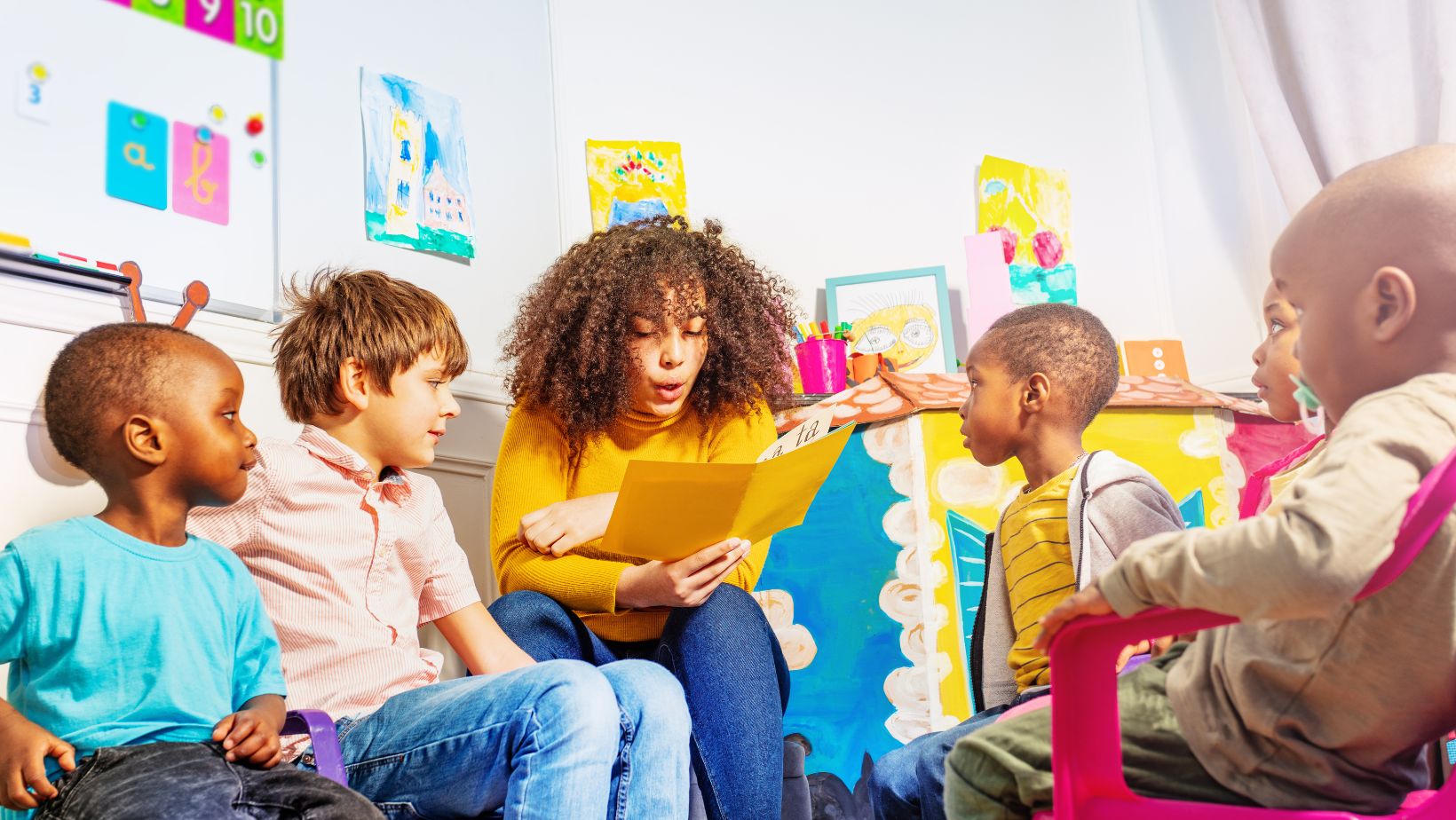
Now, imagine a story where a boy has five dollars. He wants a new comic book, but he also wants to buy his sister a birthday present. He can’t have both. The struggle he feels, the choice he makes, and the consequence of that choice create a mental “anchor.”
Here is why this method wins every time:
- Emotional Connection: Kids care about characters. When a character they love faces a dilemma, the child feels the stakes. This emotional investment triggers the release of dopamine, which aids memory retention.
- Contextual Learning: Stories provide the “why.” Instead of learning a rule in a vacuum, kids see how that rule applies to real-life (or fictional-life) scenarios.
- Safe Exploration: A story is a laboratory. Kids can see the results of bad decisions or complex social shifts without facing the real-world consequences themselves.
How to Use Storytelling at Home
You don’t need to be a professional author to use storytelling as a teaching tool. You just need to follow a few simple steps to turn storytime into a learning moment.
1. Focus on the “Hero’s Struggle”
Every big idea has a conflict. Inflation is about things becoming more expensive; justice is about fairness. Find stories where the hero has to overcome a problem related to the concept you want to teach. When the hero succeeds, the “lesson” feels like a victory, not a lecture.
2. Ask “What Would You Do?”
Interactivity is the secret sauce. Pause mid-story and ask your child how they would solve the character’s problem. This forces them to apply the “big idea” in real-time. It moves them from a passive listener to an active problem-solver.
3. Use Analogies
If a concept is too big, shrink it down. Want to explain the internet? Compare it to a giant, invisible library where the books fly to you instantly. Want to explain taxes? Use a slice of their afternoon snack. Stories built on analogies help kids categorize new information based on things they already understand.
The Power of Cultural Literacy and Empathy
Beyond teaching economics or civics, storytelling is a gateway to cultural literacy. When kids read stories about protagonists from different backgrounds, time periods, or social structures, they aren’t just learning history; they are developing empathy. This emotional intelligence is a “big idea” in its own right. It allows children to grasp that while people live differently, the fundamental human desires for fairness, security, and happiness remain the same across the globe.
Furthermore, stories help bridge the gap between micro and macro perspectives. A child might understand how their own family saves money, but a story about a community building a bridge or surviving a drought explains how entire societies function. Even simple, early exposure through personalized ABC books for kids can spark this developmental shift by helping children connect letters, language, and real-world ideas from a young age.
By following a character through a systemic change, a child learns to see the “big picture” without feeling lost in the details. They begin to recognize patterns — noticing how one person’s choices affect the group. This recognition is the seed of leadership and social responsibility, teaching them that they aren’t just observers of the world, but active participants within it.
Building a Foundation for Life
When we use stories to teach big ideas, we aren’t just helping kids with their homework. We are giving them the tools to decode the world.
A child who understands the “why” behind how society functions is less likely to be overwhelmed by the news as they grow older. They become adults who can think for themselves, analyze situations, and understand the ripple effects of their actions.
Conclusion
The world is complex, but it doesn’t have to be confusing for our children. By leaning into the power of narrative, we turn “boring” subjects into “binge-worthy” adventures.
Next time you’re tucked in for a bedtime story, remember: you aren’t just reading words on a page. You are building a framework for how your child will see the world for the rest of their lives.