
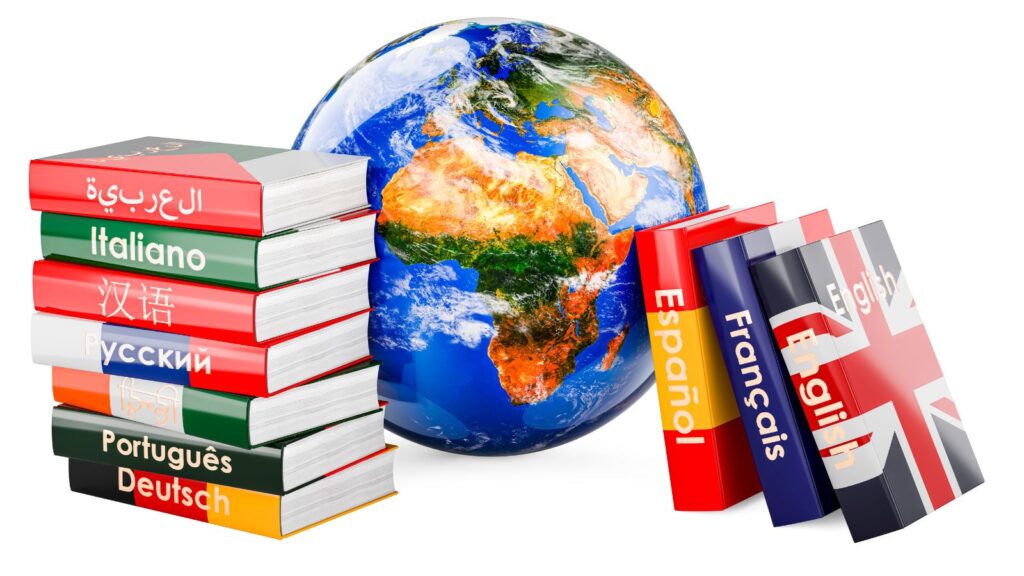
Most businesses do not plan translation in advance. It appears suddenly when a startup signs its first international contract or when internal documentation must work across borders. At the beginning, translation feels like a mechanical task that can be solved quickly.
The reality changes once translated text starts affecting decisions. Legal teams read documents carefully. Operations rely on translated policies to guide daily work. Marketing teams reuse the same materials over time. Language begins to shape outcomes rather than support them.
This is often the moment when teams reconsider their tools and workflows. Instead of correcting issues after delivery, decision makers choose to click here to see how human document translation is structured when accuracy, consistency, and accountability become part of everyday business operations.
When Accuracy Directly Affects Risk
Certain documents carry consequences. Contracts, compliance files, shareholder agreements, and formal policies cannot afford ambiguous wording. A single unclear sentence may trigger additional reviews or slow approvals.
Human translators approach these documents as complete systems. They track how terms are defined, how clauses connect, and how meaning holds across sections. This reduces inconsistencies that often appear when text is translated piece by piece.
Businesses turn to Rapid Translate in these cases because the service works at the document level. The focus is on producing translations that can stand up to scrutiny weeks or months later. The value shows up when documents pass reviews without repeated clarification.
Automation may help with early drafts. Responsibility shifts to humans when documents carry legal or financial weight.
When Documents Change Over Time
Final versions are seldom used in startup environments; pitch decks change, product documentation expands, and internal policies are changed as teams grow.
Human translation services enable continuity during these changes. Translators retain memory of prior terminology selections and therefore are able to consistently apply past terminology in subsequent updates. This will help avoid confusion due to gradual changes that occur over time.
Rapid Translate considers revisions in context with an ongoing history and not just separate projects. Teams submit their updated files and receive translations that align with the respective prior version of the original file. This eliminates the need for teams to make comparisons internally, resulting in reduced time that is typically overlooked in project planning.
The benefits of this approach become more evident after several rounds of revisions rather than at the point of first delivery.
When Internal Documents Guide Daily Work
Translated internal materials are not passive content. They instruct employees, define responsibilities, and influence behavior.
Human translators read these documents with use in mind. They consider how wording affects interpretation and whether instructions remain clear across languages. Small phrasing decisions can change how rules are applied in practice.
Companies often switch to human translation after noticing repeated questions from teams in different regions. Clearer documents reduce follow-ups and allow policies to function as intended.
When External Communication Reflects Readiness
Language contributes to how a business is perceived. Proposals, reports, and formal communication often speak before any meeting happens.
Human translation supports a stable voice across these materials. Consistency and clarity help documents feel reliable rather than improvised.
Rapid Translate is used here because it prioritizes clarity over stylistic experimentation. Businesses choose it when documents need to inspire confidence without sounding embellished or overproduced.
When Speed Matters but Oversight Cannot Disappear
Some situations necessitate fast completion (i.e., an announcement). In addition, many situations create time-sensitive documentation that requires accuracy and precision. Using human translators allows your team to clarify meaning, check the product, and adjust wording before sending them out. This additional step can often help you avoid the costs associated with making incorrect translations later on — those costs are more than simply completing the original document! While time is affected by how quickly we can complete tasks, utilizing control will help to protect your team from performing unnecessary work.
A Practical Way to Decide
Human online translation services make sense when documents influence decisions rather than impressions. They reduce repeated explanations, limit revision cycles, and stabilize communication across teams.
The real question is not cost per page. It is how often teams must explain what a translated document was meant to say. When clarity saves time across legal, operations, and leadership, human translation becomes part of operational efficiency rather than an optional expense.