
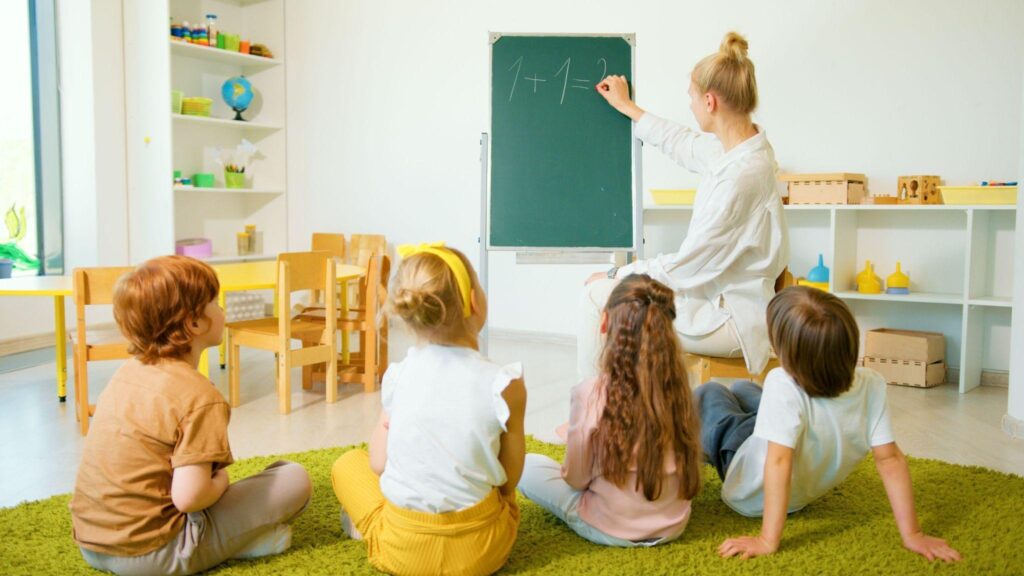
Teaching elementary school has never been a one-size-fits-all job, but it feels more complex now than ever before. Today’s classrooms are filled with kids who have a wide range of learning needs, varying attention spans, and a natural comfort with technology that previous generations simply didn’t have. What worked in a classroom ten or fifteen years ago doesn’t always land the same way today. Teachers know this, and most of them are constantly looking for fresh, practical ways to connect with their students more effectively.
This article walks through some of the most useful strategies elementary teachers are using right now to make that happen.
Why Teachers Keep Looking for Better Approaches
There’s a certain kind of teacher who never feels completely done learning. Not because they aren’t good at what they do, but because they understand that teaching is not a static skill. Students change, research evolves, and what works in one school year doesn’t always carry over to the next. That mindset is what keeps classrooms moving forward.
As student needs shift, teaching strategies need to shift with them. Elementary teachers today work with kids who process information differently, respond to different kinds of engagement, and bring very different home environments into the classroom with them. Staying current on instructional methods matters more than ever.
Effective classroom innovation often starts with professional growth. As instructional methods, technology tools, and student needs continue to evolve, many educators look for opportunities to strengthen their teaching skills through ongoing learning. Pursuing an online master’s in elementary education can help teachers develop practical strategies for lesson planning, assessment, classroom engagement, and differentiated instruction.
One example is the University of South Carolina Upstate’s Online M.Ed. Applied Learning and Instruction – Elementary Education Concentration, which focuses on research-backed teaching practices, technology integration, and classroom-ready instructional methods designed for today’s elementary educators.
Using Flexible Grouping to Reach Every Student
One of the more effective shifts happening in elementary classrooms right now is the move away from fixed grouping toward flexible grouping. Fixed grouping, where students stay in the same reading or math group all year, can quietly send the wrong message to kids who get placed in lower-level groups early on. Flexible grouping changes that dynamic.
With flexible grouping, teachers organize students differently depending on the task at hand. Sometimes students group by skill level for targeted practice. Other times, they group by interest, by learning preference, or in mixed-ability pairs where stronger students reinforce their own understanding by helping others. The key is that no grouping is permanent, and students move between groups regularly based on where they are with specific skills.
Small group rotations work well in this model. A teacher might work directly with one small group on a specific concept while other groups work independently, with a partner, or at a learning station. This gives teachers more focused time with students who need it most without leaving the rest of the class without direction.
Bringing Hands-On Learning Into Daily Lessons
Elementary students learn by doing. That’s not a new idea, but it’s one that still doesn’t get enough floor space in some classrooms. When kids can touch something, build something, or work through a problem with their hands, they tend to remember it better and stay more focused throughout the process.
Math manipulatives are a straightforward example. Letting students use physical objects to work through addition, subtraction, fractions, or geometry gives them a concrete way to understand concepts before moving to abstract numbers on a page. Science stations, where students observe, sort, or experiment, bring the same energy to a different subject. Simple classroom simulations in social studies help kids connect historical or civic concepts to something they can actually experience.
The good news for teachers is that hands-on learning doesn’t require a big budget or hours of extra prep. When these activities get built into the regular daily routine rather than treated as special additions, they become part of how students expect to learn.
Integrating Technology in Ways That Actually Help
Technology in an elementary classroom works best when it serves the lesson. A screen for the sake of a screen doesn’t add much. But when technology helps a teacher see where students are struggling in real time, or gives students a different way to show what they know, it becomes a genuinely useful tool.
Formative assessment apps let teachers check for understanding quickly without stopping the flow of a lesson. A short digital poll or a quick exit ticket submitted through a simple platform gives teachers data they can use the next day to adjust instruction, rather than waiting weeks for a test score to tell them something went wrong.
Student choice in how they present their learning is another area where technology adds real value. Letting a student record a short explanation, build a simple digital poster, or narrate a slideshow gives more students a way to show understanding in a format that plays to their strengths. That kind of flexibility supports engagement without adding significant extra work for the teacher.
Creating a Classroom Environment That Supports Learning
Strategy and environment go together. A teacher can have the best lesson plan in the building, but if students don’t feel settled, respected, and clear on what is expected of them, the lesson loses a lot of its impact before it even starts.
Clear routines and expectations take time to build at the start of the year, but pay off every day after that. When students know exactly what transitions look like, how to ask for help, and what independent work time sounds like, the classroom runs with far less friction. Flexible seating options give students some control over their physical comfort, which makes a real difference in focus and engagement.
Most importantly, a classroom where students feel safe to make mistakes and ask questions is one where real learning can happen. That kind of culture starts with the teacher and filters down into every interaction students have with each other.
Innovative teaching at the elementary level doesn’t have to mean complicated or expensive. Flexible grouping, hands-on tasks, smart use of technology, and a well-structured classroom environment are all tools that teachers can build into their regular practice. The most effective classrooms tend to belong to teachers who keep reflecting on what their students need and are willing to adjust. That commitment to growth is what makes the biggest difference over time.