
Publishing has never been only about writing a good book, and in 2026, staying relevant means paying attention to how readers discover and talk about books online.
According to DesignRush, tracking digital behavior has become part of staying competitive in any crowded online space, and for authors, that means discoverability no longer starts at the bookstore shelf.
Readers need to understand what kind of books you write and where to find you. The biggest publishing and book marketing trends for 2026 all point in that direction: stronger reader communities and a bigger push for authors to build direct relationships with their audience.
What’s Different in 2026?
The market has become more fragmented. Readers move between TikTok, Instagram, YouTube, newsletters, online retailers, podcasts, and audio platforms. They are still reading, but they are discovering books in more ways than before.
At the same time, some formats are growing faster than others. In U.S. publishing, digital audio revenue grew 22.5% to $2.4 billion in 2024, which is a reminder that a reading experience can live across multiple formats and platforms.
This is good. The more entry points readers have, the more likely they are to remember your name.
Discovery Starts Before the First Page
Readers increasingly search by mood, genre, trope, problem, or reading intent. Someone might look for “slow-burn fantasy romance” or “short literary fiction” long before they know which specific book they want.
Book descriptions, categories, keywords, author bios, website copy, and even social profile language all help shape whether an author shows up in search. Authors who describe their work in the same language readers use have a better chance of being found.
This also changes what a useful online presence looks like. A website should tell readers what you write, who your books are for, where to start, and how to stay connected. If a reader lands on your site after seeing your name once, they should not have to work hard to understand your value.
It’s All About the Community
BookTok is still one of the most important forces in online book discovery, with approximately 59 million print book sales tied to BookTok-related creators or content in 2024 alone.
Still, authors should be careful not to take the wrong lesson from that. Getting noticed online is not about copying viral trends but about creating content that feels natural inside reader spaces. A thoughtful reel, a trope-based post, a behind-the-scenes note about your research, a character mood board, or a short video about what inspired a scene can all work better than a hard sell.
What performs online now is usually one of three things:
- Content that helps readers identify whether the book is for them
- Content that makes the author feel human and memorable
- Content that gives readers something fun to share with each other
That is also why authors do better when they stop thinking only in campaigns. Readers are more likely to engage when they feel invited in rather than marketed at.
Authors Need an Audience They Control
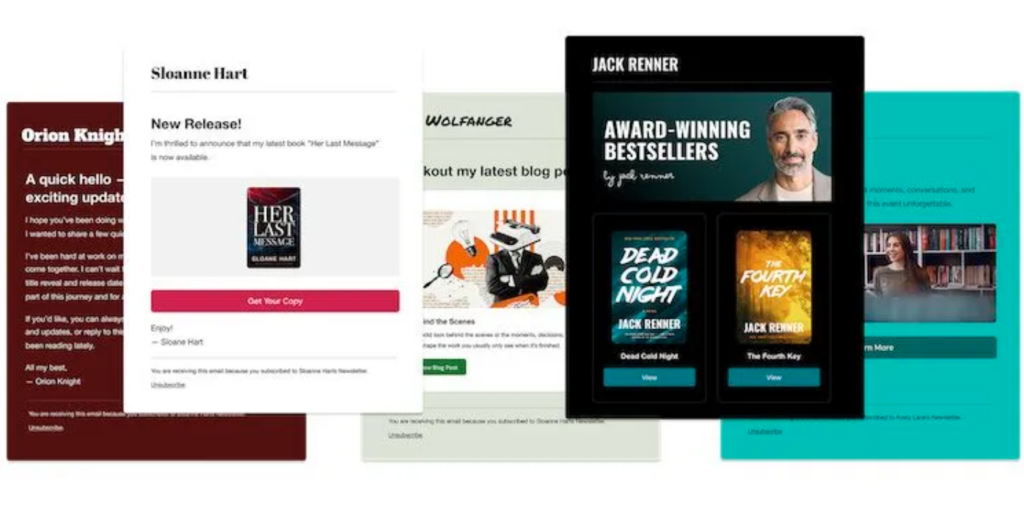
Social platforms are useful, but algorithms shift, and a platform that works for you this year may feel unpredictable next year. Because of that, more authors are putting effort into email lists, website signups, bonus content, and direct reader communication.
Source: BookBub
This is where many authors still leave opportunity on the table. A reader who likes one of your posts is not the same as a reader you can reach again. An email subscriber is more valuable because the connection is ongoing. That is where you can share cover reveals, preorder news, bonus chapters, paperback launches, and upcoming releases without relying entirely on social reach.
Format Matters More Than Before
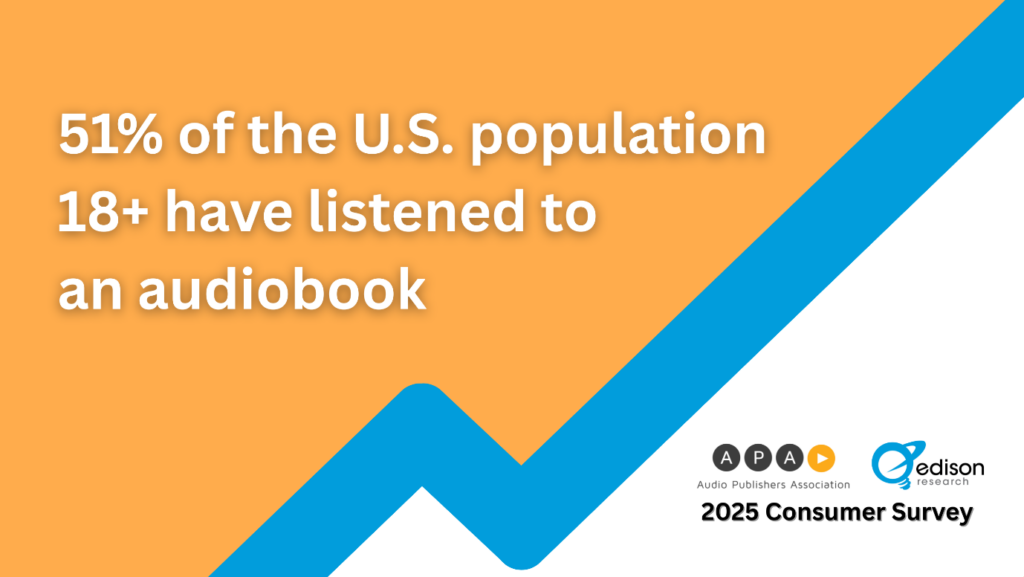
Authors also have a better chance of standing out when they think beyond a single format. Audio has become a bigger part of the reading ecosystem, and more readers now move between listening and reading depending on their schedule.
Source: Edison Research
That does not mean every author needs an audiobook right now, but authors should think more flexibly about how their work meets readers. A print edition may attract more traditional readers and gift buyers, while an audiobook may introduce the story to someone who mostly listens during commutes or chores.
In practical terms, that means authors should market formats more intentionally. A single generic post that says “my book is out now” is less useful than separate posts that explain why the ebook, paperback, or audio edition might fit different reading habits.
Final Thoughts
For all the talk about algorithms and platform strategy, the most effective author marketing still comes back to trust. Readers want to know there is a real person behind the work, and they want a sense of voice and perspective. That means showing enough of your creative world that people have a reason to care before they buy.
That is also why polished but generic content tends to fade into the background. Readers respond better when authors sound specific and genuinely interested in the kinds of stories they write. In a crowded market, personality helps create distinction.